Skip to content

EmergencyResponders.ie does not provide emergency response services. In an emergency, call 112 or 999.

About Us

Recognising, supporting and connecting Ireland's emergency-services community

EmergencyResponders.ie is a platform created to recognise, support and connect Ireland's emergency-services community. We share important stories, highlight organisations and initiatives, promote frontline benefits, and create opportunities for businesses and supporters to get involved.

Why this platform exists

Ireland’s emergency responders—paid and voluntary—turn out day and night for their neighbours. EmergencyResponders.ie was created to recognise that work in one place: to share the stories that deserve a wider audience, to signpost useful community-safety information, and to give businesses and the public a simple way to show their support.

Where to find official guidance

For authoritative information, always refer to the official website of the relevant service or organisation. Where we can, we link directly to them. Full details are set out on our disclaimer page.

How we are funded

The platform is supported by sponsors and partner businesses, and a portion of that sponsorship revenue goes towards supporting BUMBLEance. Sponsorship never gives a sponsor influence over how services or organisations are described here.

Our BUMBLEance connection

We are proud to support BUMBLEance, Ireland’s national children’s ambulance service, by helping to raise awareness of its work with children and families throughout the country. Read more about BUMBLEance.

Who responds in Ireland

About Ireland's Emergency Services

A plain-English guide to who responds and what they do, with links to the official organisations behind each service.

Ambulance

Pre-hospital emergency care brings skilled clinical treatment to people wherever they are, and continues that care on the journey to hospital.

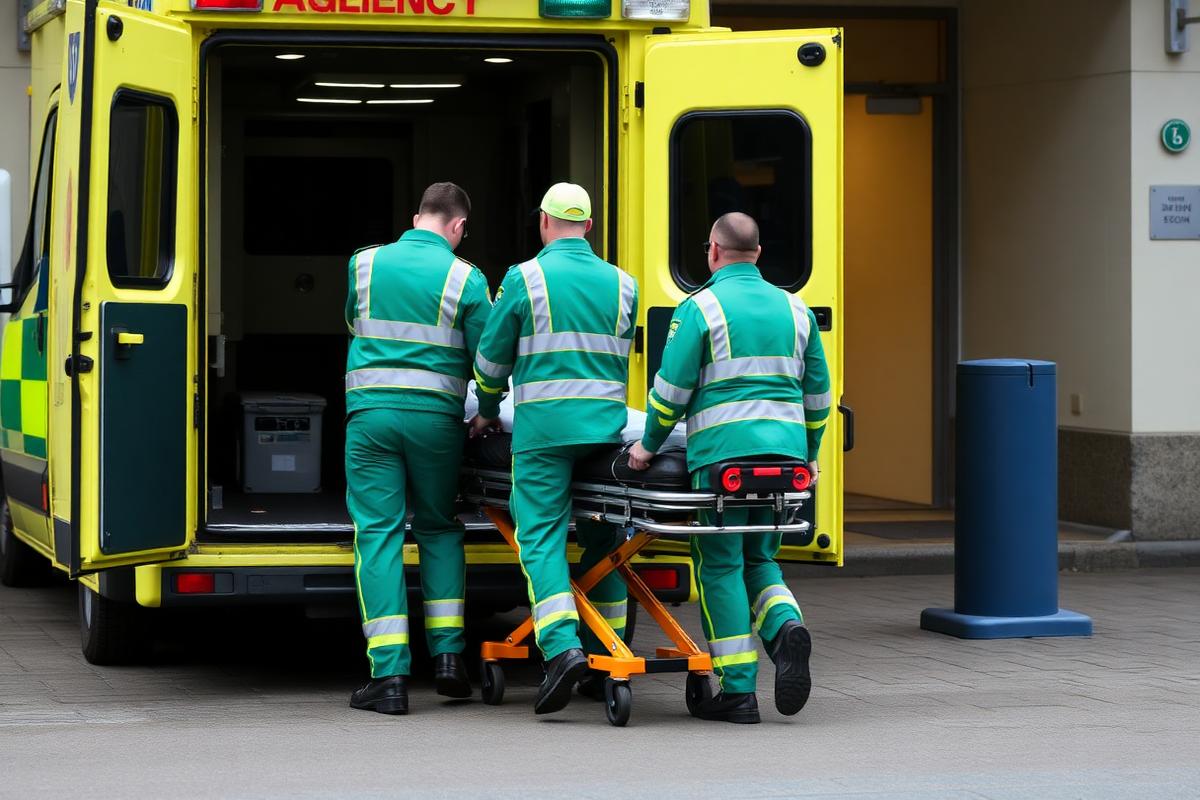
Ambulance and pre-hospital emergency care services respond to medical emergencies, serious injuries and time-critical illness. Crews include emergency medical technicians, paramedics and advanced paramedics, supported by emergency call takers, dispatchers, clinical hubs and, where needed, aeromedical support. Alongside emergency response, these services carry out inter-hospital transfers, provide care at large public events, and support community first-response schemes and cardiac first-responder groups the length and breadth of the country.

Who is involved

  • National Ambulance Service
  • Dublin Fire Brigade Emergency Ambulance Service
  • Order of Malta Ireland
  • Irish Red Cross
  • St John Ambulance Ireland

Official resources

Fire and Rescue

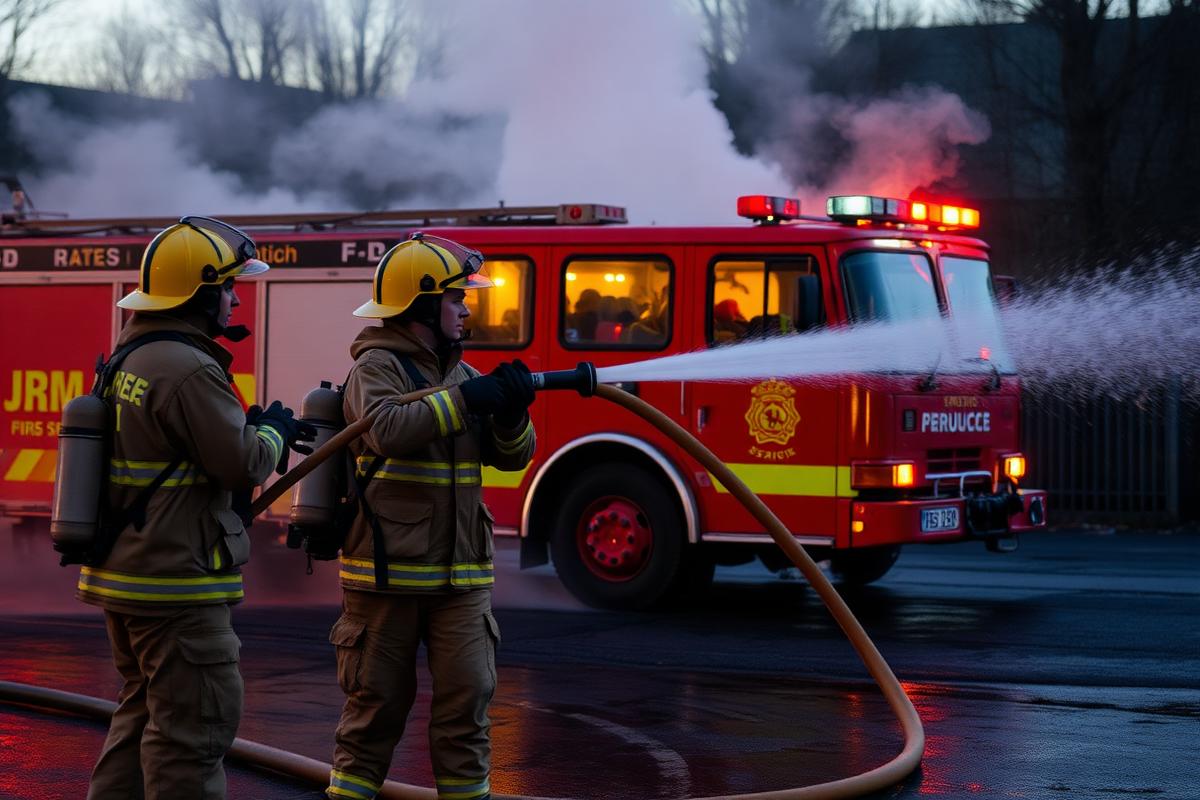
Fire and rescue services do far more than fight fires: they respond to road traffic collisions, rescues, hazardous materials and severe weather, and work year round on prevention.

Local authority fire services operate from full-time and retained stations in every county. Firefighters respond to building and wildland fires, road traffic collisions requiring extrication, water and height rescue, chemical incidents and flooding, and they support other agencies during major emergencies. Just as importantly, fire services carry out fire safety inspections, building control work, school and community education programmes, and public campaigns on smoke alarms, chimney safety and escape planning.

Who is involved

  • Dublin Fire Brigade
  • Local authority fire services - Gov.ie

Official resources

Gardaí

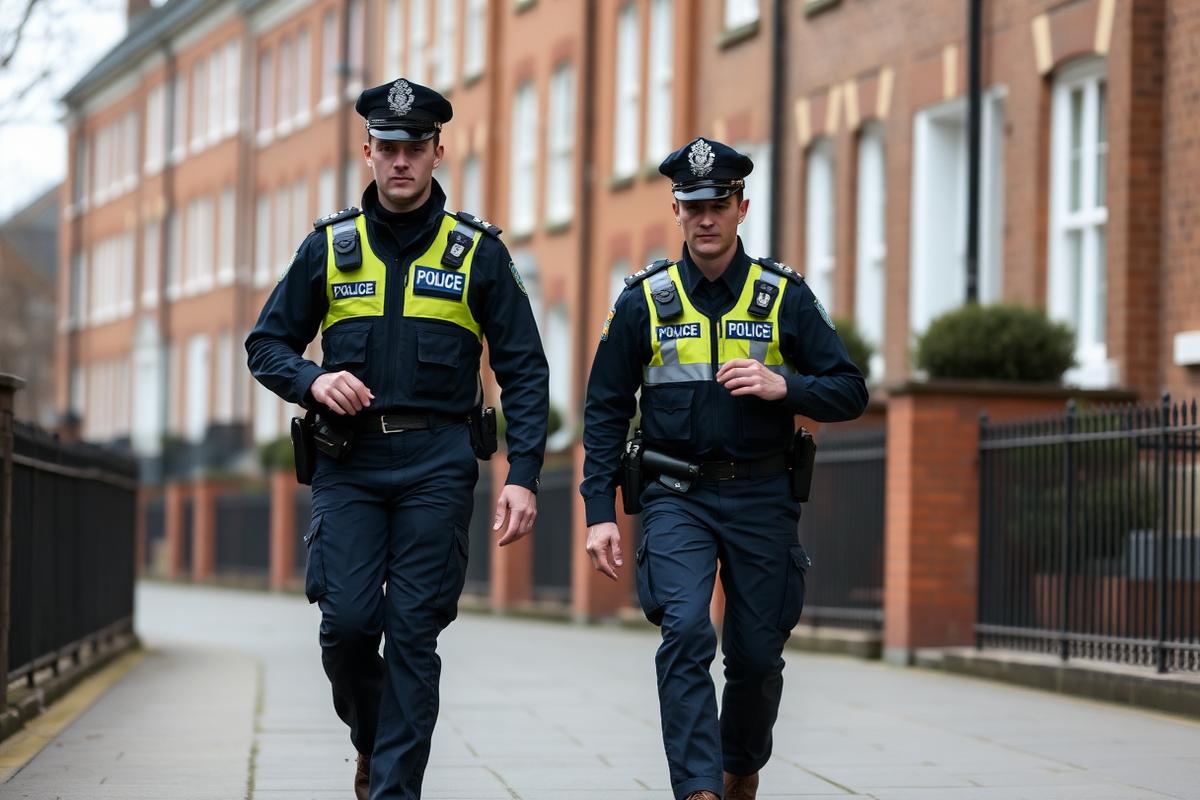
An Garda Síochána is Ireland's national police and security service, combining community policing with emergency response and criminal investigation.

Gardaí are usually the first agency contacted in an emergency and often the first on scene. Their emergency role spans road traffic collisions, missing persons, public order and violent incidents, protecting people at risk, and coordinating scenes alongside ambulance and fire crews. Beyond emergency response, community Gardaí work with schools, older people, businesses and neighbourhood groups on crime prevention, road safety and community reassurance, supported by specialist national units and the Garda Reserve.

Who is involved

  • An Garda Síochána
  • Garda Reserve

Official resources

Coast Guard and Water Rescue

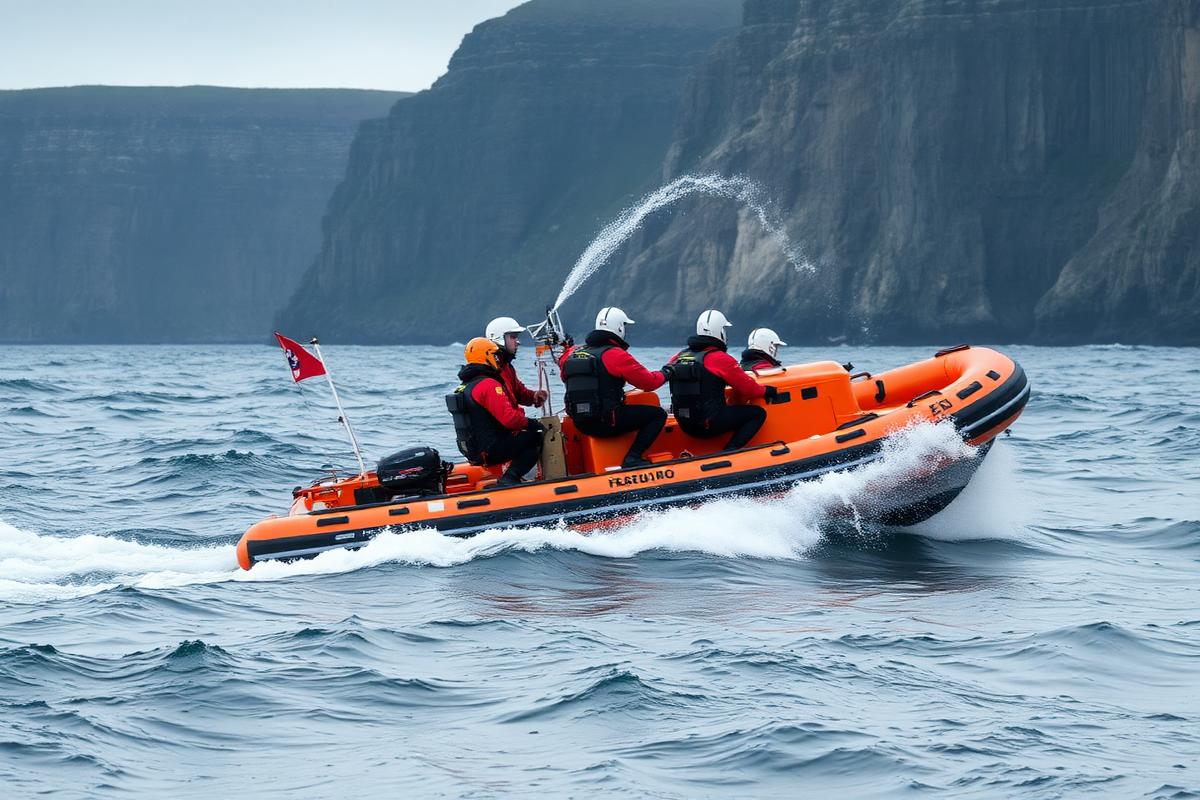
Ireland's coastline, lakes and rivers are covered by a mix of state services and volunteer organisations who respond around the clock in demanding conditions.

Maritime and inland water emergencies are coordinated by the Irish Coast Guard, which tasks search and rescue helicopters, coastal units and lifeboats, and works with the RNLI, community rescue boats, mountain and cave rescue teams and Civil Defence. Volunteers make up a large part of this response, giving their own time to train for cliff rescue, boat rescue, shoreline searches and flood response. Water safety education is a core part of the work, from open-water swimming advice to lifejacket and small-craft guidance.

Who is involved

  • Irish Coast Guard
  • RNLI Ireland
  • Community Rescue Boats Ireland
  • Water Safety Ireland
  • Mountain Rescue Ireland
  • Civil Defence Ireland

Official resources

Community Safety

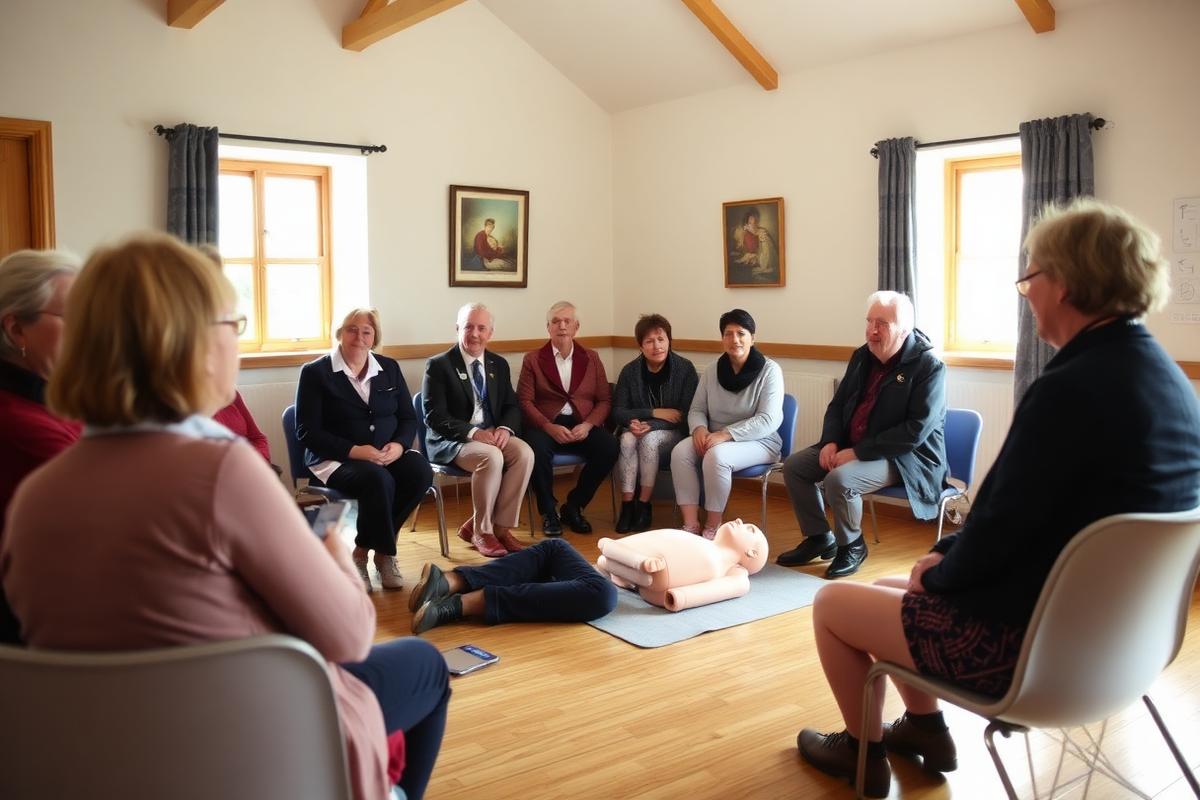
Most emergencies are met first by ordinary people. A little preparation, and knowing when and how to call for help, makes a real difference.

This section gathers evergreen public-safety information and points to the official Irish organisations who publish and maintain it. Nothing here replaces professional advice or official guidance: always follow the instructions of the emergency services and the authoritative sources linked below.

Who is involved

  • Road Safety Authority
  • Met Éireann
  • Water Safety Ireland
  • Civil Defence Ireland
  • Irish Red Cross

Official resources

Get Involved

Get Involved with Ireland’s Emergency Services Community

Whether you want to support Ireland's emergency-services community, become a sponsor, provide a member benefit, share a story or contribute to community safety, we would be delighted to hear from you.

stephen@emergencyresponders.ie085 104 3910